
Fire safety is a critical responsibility for shopping center owners, retail operations managers, and commercial property managers. When a fire alarm or sprinkler system stops working, the risk extends beyond damaged equipment. It can affect tenant safety, customer protection, business operations, and compliance with California fire regulations.
In 2026, choosing reliable retail fire watch services means finding a provider that understands California fire-code requirements, maintains documented patrols, and can respond quickly when emergency coverage is needed.
For retail properties with multiple storefronts, shared corridors, storage areas, and high customer traffic, an effective fire watch program provides temporary human surveillance while impaired fire protection systems are being restored.
This guide explains when fire watch may be required, what California regulations say, how to evaluate providers, and what shopping center managers should expect from professional fire watch coverage.
What Are Retail Fire Watch Services?
Retail fire watch services provide trained personnel who monitor shopping centers and commercial retail properties for signs of fire when required fire protection systems are impaired or temporarily unavailable.
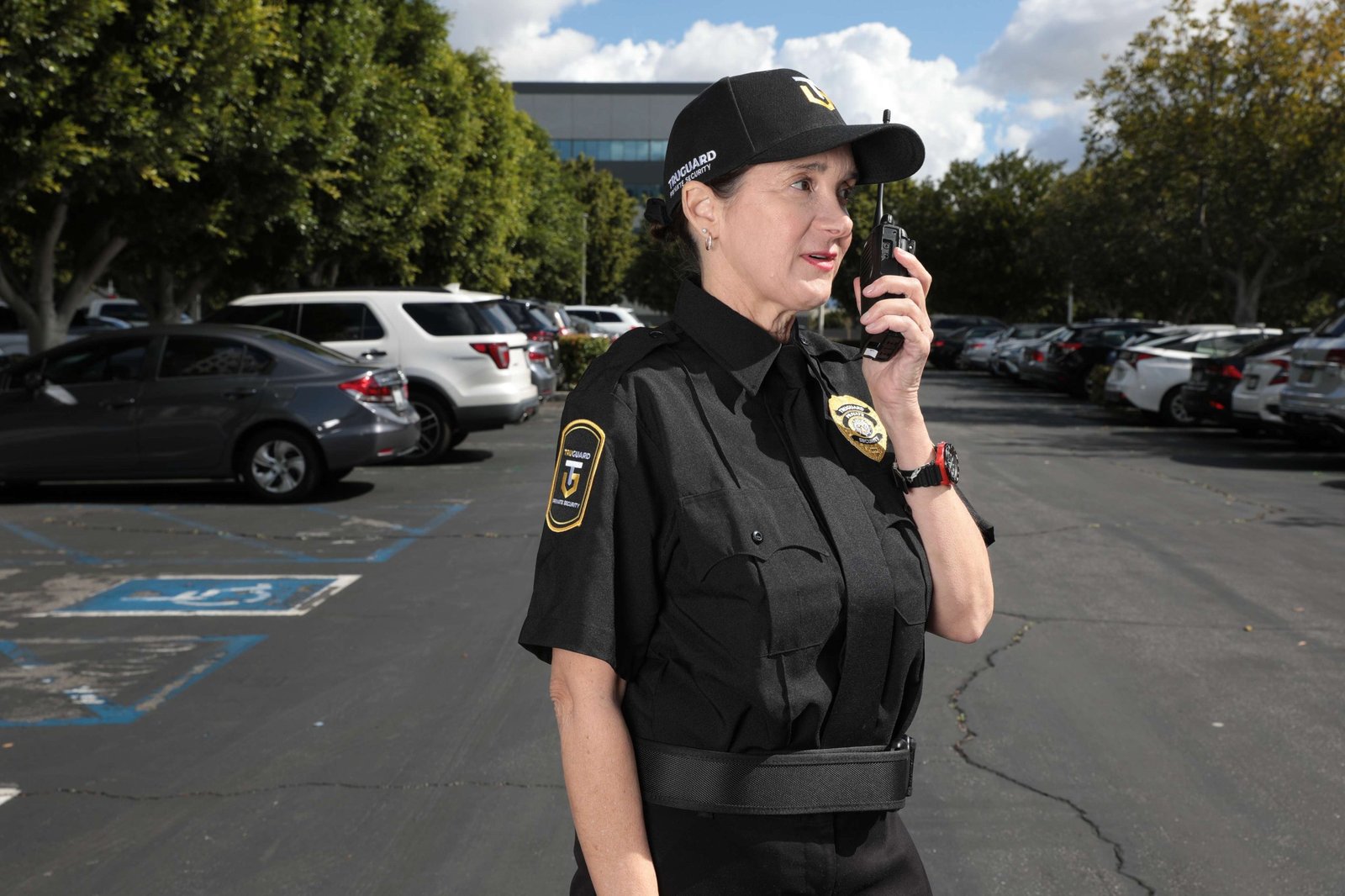
Fire watch personnel conduct continuous patrols of designated areas, identify potential fire hazards, maintain required records, and communicate emergencies to the fire department and building occupants.
A fire watch may be required during:
- Fire alarm system failures or planned shutdowns.
- Automatic sprinkler system impairments.
- Fire pump or water supply interruptions.
- Repairs affecting required fire protection equipment.
- Building renovation work that temporarily disables fire safety systems.
- Other conditions identified by the local fire code official.
Fire watch does not restore the function of a damaged alarm or sprinkler system. Instead, it provides an interim safety measure when authorized by the responsible fire authority.
For shopping centers, this distinction is particularly important because a single system impairment may affect several retail tenants and common areas.
When Is Fire Watch Required for Shopping Centers in California?
Under Section 901.7 of the 2025 California Fire Code, the fire department and fire code official must be notified immediately when a required fire protection system is out of service. When the fire code official requires it, affected occupants must be protected through evacuation or an approved fire watch until the system is restored.
The 2025 California Fire Code became effective on January 1, 2026, making it an important reference for retail property managers evaluating fire watch requirements this year.
The rule also requires fire watch personnel to have an approved means of contacting the fire department and to devote their duties to constant fire patrols.
An exception exists for facilities with approved notification and impairment management programs, subject to applicable requirements.
Important: Fire watch is not automatically authorized as an alternative to evacuation. The local authority having jurisdiction (AHJ), generally the responsible fire department or fire code official, determines the appropriate measures. Local amendments and additional instructions may also apply.
Reference: 2025 California Fire Code, Chapter 9, Section 901.7
1. Fire Alarm System Failures
Shopping centers rely on fire alarm systems to detect emergencies, notify occupants, and support emergency response.
When an alarm system is offline, occupants may not receive timely warning of a developing fire.
Temporary alarm downtime monitoring may be required while technicians investigate problems, replace equipment, or complete repairs.
Depending on the fire official’s instructions, fire watch personnel may patrol:
- Retail sales floors and common corridors.
- Service and delivery areas.
- Electrical and mechanical rooms.
- Storage areas and other designated hazard locations.
- Emergency exit routes and stairways.
Property managers should also establish an approved method of warning occupants when the normal alarm notification system is unavailable.
2. Sprinkler System Outages
Automatic fire sprinklers help control or suppress fires before they spread.
When a sprinkler system or its water supply is unavailable, a shopping center may lose an important layer of fire protection.
Sprinkler outage coverage may be required during maintenance, damaged-pipe repairs, control-valve failures, fire pump problems, or other water-based system impairments.
The required precautions depend on the nature and extent of the outage.
For example, a sprinkler impairment affecting one tenant space may require a different response from a shutdown affecting an entire enclosed shopping mall.
The responsible fire authority should confirm which areas need protection, whether the property may remain occupied, and what patrol arrangements are acceptable.
3. Planned Maintenance and Renovations
Fire watch planning should begin before scheduled work whenever possible.
Retail renovations, system upgrades, and tenant improvements can sometimes require fire protection equipment to be temporarily disconnected.
Property managers should coordinate planned shutdowns with fire protection contractors, affected tenants, and the fire department as required.
Arranging fire watch coverage in advance can help prevent avoidable scheduling complications.
What Does a Code-Compliant Fire Watch Include?
A code-compliant fire watch is not simply a security guard standing near the front entrance.
An effective fire watch assignment must meet the requirements established by the fire code official for the specific property and impairment.
| Fire watch requirement | What shopping center managers should expect |
| Continuous patrols | Personnel actively patrol the affected areas according to approved requirements |
| Dedicated personnel | Fire watch duties are not combined with unrelated security or retail tasks |
| Fire hazard identification | Patrols check for smoke, fire, and conditions that could create additional danger |
| Emergency communication | Personnel have an approved method of notifying the fire department |
| Occupant notification | An established procedure exists for warning occupants and supporting evacuation |
| Patrol documentation | Accurate records identify personnel, patrol times, locations, and observations |
| Coverage continuity | Shift changes and relief arrangements prevent gaps in required monitoring |
| Fire authority coordination | Management follows the AHJ’s instructions throughout the impairment |
Patrol intervals, staffing levels, reporting requirements, and the process for ending coverage can differ among California jurisdictions.
For example, the City of Victorville’s published fire watch requirements address dedicated duties, personnel responsibilities, on-site logs, and fire department authorization before terminating fire watch.
These examples illustrate why a provider must understand local requirements rather than applying the same generic patrol plan to every shopping center.
How to Choose the Right Retail Fire Watch Company in 2026
Property managers should evaluate fire watch providers using measurable operational criteria, not price alone.
1. Verify Licensing and Relevant Experience
When hiring a private security company to provide fire watch, verify its California Private Patrol Operator (PPO) license and the applicable security guard credentials.
California’s Bureau of Security and Investigative Services (BSIS) offers an online license verification service.
A reliable provider should also demonstrate experience with retail environments, commercial building operations, and fire protection system impairments.
Ask whether its personnel understand fire watch procedures, emergency notification, evacuation arrangements, and the specific instructions issued by the fire authority.
Check credentials through the California BSIS License Verification Portal.
2. Confirm 24/7 Emergency Availability
Fire protection systems do not always fail during normal business hours.
A sprinkler problem discovered after closing or a malfunctioning alarm during a busy retail weekend may require immediate action.
A provider offering 24/7 emergency fire watch should be able to explain:
- How emergency requests are received.
- Whether trained personnel are available for the property’s location.
- How deployment times are confirmed.
- How shifts are covered during extended outages.
- Who handles dispatch communication and unexpected staffing changes.
Do not assume that 24/7 dispatch automatically means a guard can arrive immediately. Confirm the actual deployment arrangement for the location.
3. Evaluate Patrol Documentation and Reporting
Fire watch records are particularly important for commercial properties managing multiple tenants.
A well-maintained fire watch log should document the activities carried out during the assignment.
Relevant records may include:
- Property address and affected protection system.
- Name of assigned fire watch personnel.
- Shift start and end times.
- Patrol times and monitored locations.
- Observed hazards and corrective notifications.
- Emergency incidents and escalation details.
- Supervisor review and shift handovers.
The exact log format and reporting schedule should follow the fire department’s requirements.
Accurate documentation helps property managers demonstrate the work performed and respond to inspection requests. However, records alone do not establish compliance if required patrols or procedures were not followed.
4. Assess Shopping Center Coverage Capabilities
Not every retail property has the same fire watch needs.
A single-story neighborhood shopping plaza may have a very different layout from a multilevel enclosed mall.
Before selecting a provider, review:
- The number of buildings and affected tenant spaces.
- Common corridors and public gathering areas.
- Loading docks, stockrooms, and service passages.
- Electrical and mechanical rooms.
- Roof or basement access where relevant.
- Property access after business hours.
- Areas requiring continuous monitoring.
The provider should coordinate a site-specific patrol plan that addresses the protected premises and satisfies the local fire official’s requirements.
5. Review Emergency Procedures and Supervision
Fire watch personnel must understand what to do if they discover smoke, fire, or another immediate hazard.
Their response procedures should prioritize prompt emergency notification, occupant warning, and safe evacuation support consistent with the approved plan.
They should not be expected to replace firefighters or perform unsafe fire suppression activities.
A provider should also have a clear supervisory process for verifying personnel attendance, reviewing patrol documentation, and responding to missed shifts or operational concerns.
Retail Fire Watch vs. Regular Shopping Center Security
Although fire watch and retail security may be provided by the same company, they serve different purposes.
| Retail security | Fire watch security |
| Helps deter theft, trespassing, and vandalism | Monitors for fire and fire-related hazards |
| May perform access control and loss prevention | Performs dedicated fire watch duties |
| May conduct general security patrols | Conducts required patrols of affected premises |
| Reports security incidents | Records fire watch activity and fire-related incidents |
| Operates under a general security assignment | Operates under fire watch instructions and applicable fire-code requirements |
A regular shopping center security guard does not automatically satisfy a required fire watch assignment.
Under California Fire Code Section 901.7, personnel assigned to fire watch must devote their duties to constant patrols for fire detection.
Property managers should arrange separate security coverage when general security duties still need to be performed.
What Should Property Managers Do When a Fire Protection System Fails?
When a shopping center experiences an alarm or sprinkler outage, the response should be organized and documented.
Step 1: Identify the System Impairment
Determine which equipment is affected, when the problem began, and which building areas may have lost protection.
Contact the qualified fire protection contractor or maintenance provider responsible for diagnosing the issue.
Step 2: Notify the Fire Authorities
Notify the fire department and fire code official immediately when a required fire protection system is out of service, consistent with California Fire Code Section 901.7.
Report the affected system, property location, and known extent of the impairment.
Step 3: Confirm Occupancy and Fire Watch Instructions
Ask the responsible fire official whether evacuation or an approved fire watch is required.
Confirm any instructions concerning covered areas, staffing, emergency notifications, patrol requirements, and documentation.
Step 4: Arrange Approved Fire Watch Coverage
If fire watch is required, arrange qualified personnel and provide the approved instructions, building access information, emergency contacts, and required documentation procedures.
Step 5: Maintain Coverage Until Authorized to End
Continue required fire watch activities while repairs are underway.
After the system is restored, obtain the necessary testing documentation and follow the fire authority’s instructions for ending the watch.
Do not discontinue a required fire watch simply because a repair contractor reports that the equipment is functioning.
Why Shopping Centers Need a Specialized Fire Watch Plan
Retail centers create operational challenges that are less common in smaller commercial buildings.
Several independent businesses may share fire alarm systems, sprinkler infrastructure, exit corridors, and emergency access routes.
A fire watch plan should account for the entire area affected by an impairment, even when the original equipment problem appears confined to one tenant.
For example, consider a shopping center with twelve retail units, a common service corridor, and shared sprinkler infrastructure.
If maintenance temporarily disables sprinkler protection for several units, property management must first establish the actual affected area and contact the fire authority.
Any required fire watch plan should then address the protected spaces, personnel access, patrol continuity, emergency communication, and tenant coordination.
The number of officers cannot be determined from the tenant count alone. The local fire authority’s requirements, floor plan, access conditions, and affected area must guide staffing.
This is why professional fire watch for shopping centers should be planned around building conditions rather than treated as a standard security post.
How TruGuard Security Supports California Shopping Centers
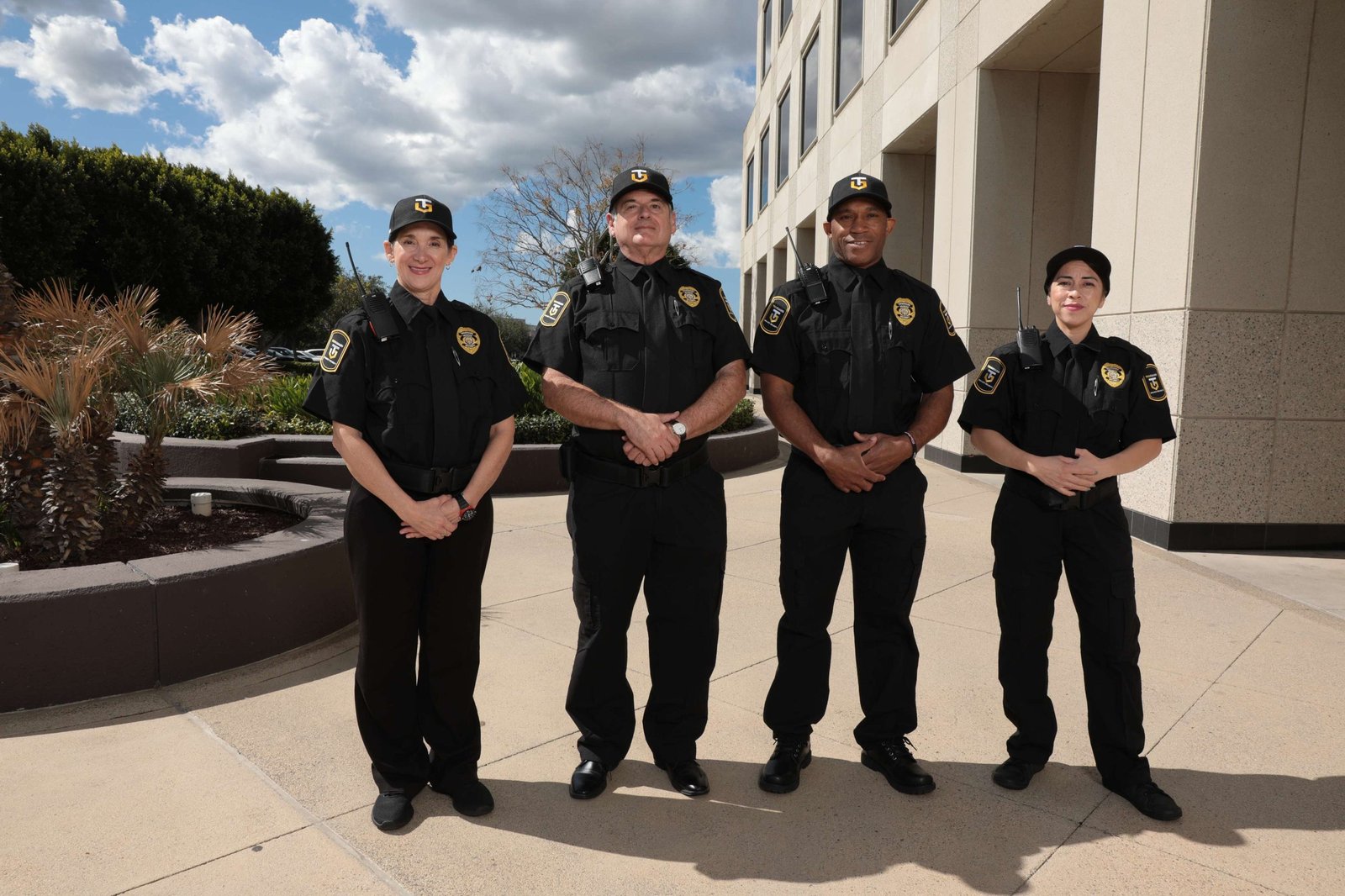
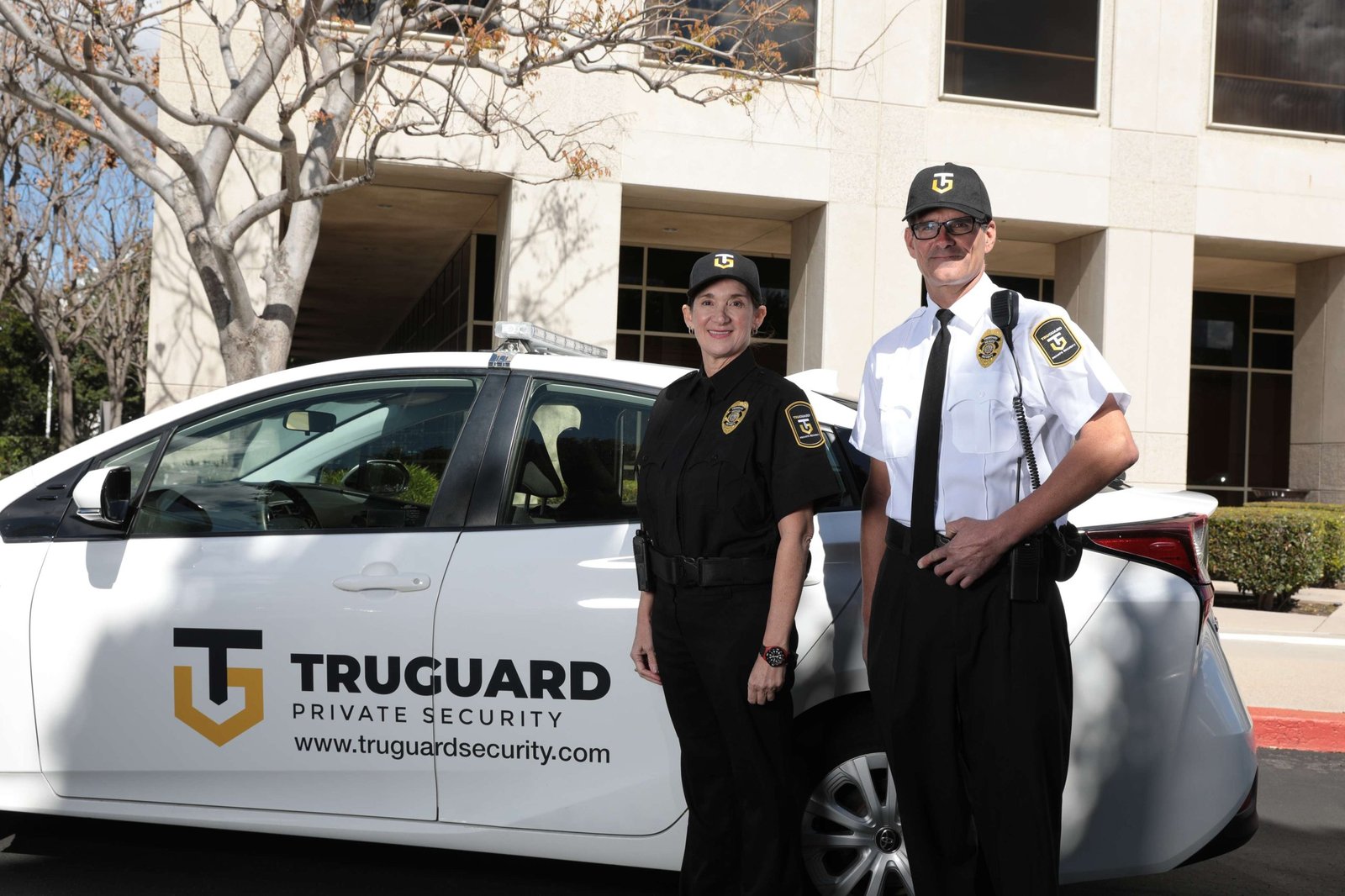
TruGuard Security provides commercial fire watch and retail security services for California properties, including shopping centers and retail plazas.
As a California private patrol operator identifying its BSIS PPO license as #121303, TruGuard offers fire watch services designed around active patrols, documented activity, dispatch coordination, and operational supervision.
TruGuard’s fire watch offering includes:
Dedicated Fire Watch Personnel
Personnel assigned to monitor affected property areas and identify signs of fire or other fire-related hazards.
24/7 Dispatch Coordination
Emergency service coordination for planned outages and unexpected fire protection system failures.
Documented Fire Watch Patrols
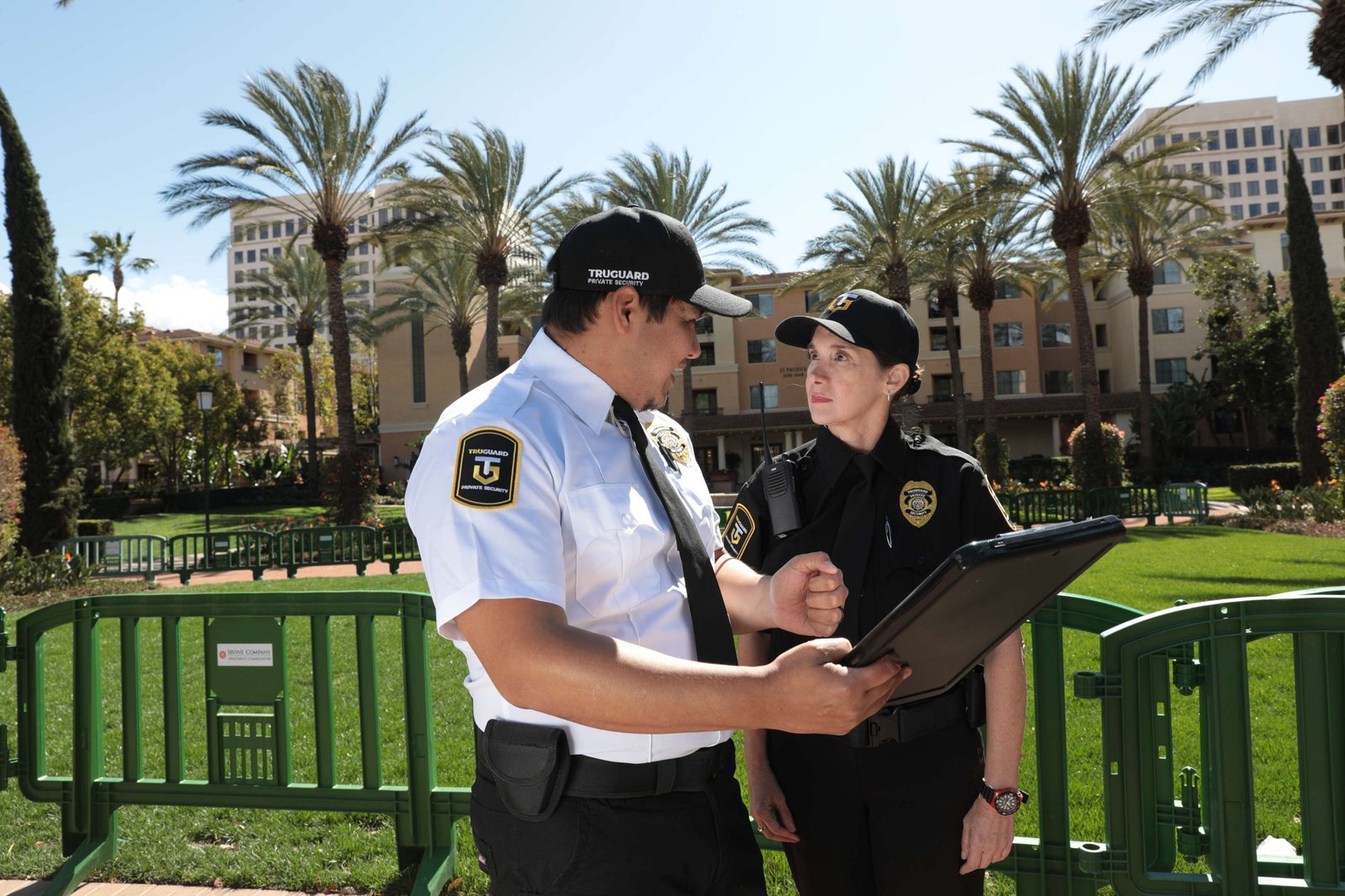
Time-stamped activity records, incident reporting, and documentation intended to support local fire authority requirements.
Supervisor Oversight
Operational supervision and reporting review to support consistent coverage throughout an assignment.
Temporary and Extended Coverage
Fire watch support for shorter repairs as well as longer interruptions, subject to staffing, local requirements, and the approved scope of work.
California Commercial Property Experience
TruGuard serves retail and commercial properties in markets including Los Angeles, Orange County, Riverside, San Bernardino, San Diego, Sacramento, and the Bay Area. Same-day fire watch is advertised for its Southern California service areas, subject to confirmation when service is requested.
Property managers can explore TruGuard’s fire watch security services or learn about its retail center security solutions.
Frequently Asked Questions About Retail Fire Watch Services
Is fire watch required when a shopping center’s fire alarm stops working?
A fire alarm outage can trigger fire watch or evacuation requirements. Under California Fire Code Section 901.7, the fire department and fire code official must be notified immediately when a required fire protection system is out of service. The fire code official determines whether an approved fire watch or evacuation is required.
Can a shopping center remain open during a sprinkler outage?
Possibly, but continued occupancy is not automatically permitted. The local fire official must determine whether an approved fire watch, additional precautions, or evacuation is appropriate for the impairment. A fire watch provider cannot independently authorize a shopping center to remain open.
How often must fire watch guards patrol a retail property?
California Fire Code Section 901.7 requires constant patrols during an approved fire watch. The exact patrol routes, documentation procedures, and any specified inspection intervals depend on the responsible fire authority’s instructions. There is no single patrol interval that should be assumed for every California shopping center.
How many fire watch guards does a shopping center need?
The number depends on the affected area, building layout, occupancy, patrol requirements, and local fire department instructions. Large or multi-building properties may require more personnel to maintain the required coverage.
Is fire watch required during planned sprinkler maintenance?
It may be required when planned maintenance puts a required sprinkler system out of service. Property managers should coordinate the impairment with the appropriate fire authority and follow the approved protection and notification procedures before work begins.
Can regular retail security guards perform fire watch duties?
Only when personnel meet the applicable qualifications and the assignment is accepted by the fire authority. Personnel conducting a required fire watch must focus on their dedicated fire watch responsibilities rather than simultaneously performing unrelated retail security tasks.
What documentation should fire watch services provide?
Fire watch documentation should record assigned personnel, patrol activity, locations, times, observations, and incidents as required by the local fire authority. Additional information may include shift handovers, supervisor reviews, and system restoration details.
When can fire watch coverage be discontinued?
Required coverage should continue until the affected fire protection system is restored and any applicable fire authority conditions for termination have been satisfied. Property managers should retain repair, testing, and fire watch documentation.
Does TruGuard Security provide emergency retail fire watch services?
Yes. TruGuard Security offers commercial fire watch coverage with 24/7 dispatch coordination, documented patrols, and supervisor oversight. Its Southern California fire watch service includes Riverside, San Bernardino, Orange, Los Angeles, and San Diego counties, with deployment timing confirmed based on location and availability.
Final Thoughts: Choosing Reliable Retail Fire Watch Services in 2026
Selecting a fire watch provider is an important part of managing fire protection system outages at California retail properties.
The most suitable provider should understand the applicable fire-code requirements, carry appropriate licensing, maintain dedicated patrol coverage, provide accurate documentation, and communicate effectively with property management and emergency authorities.
For shopping center operators, the goal is not simply to arrange temporary staffing. It is to establish a clear, accountable fire watch program while the property’s fire protection systems are restored.
Need Fire Watch Coverage for Your Shopping Center?
TruGuard Security provides professional retail fire watch services, emergency deployment coordination, documented patrols, and supervised coverage for California commercial properties.
Whether your shopping center is experiencing a fire alarm malfunction, a sprinkler outage, or a planned system shutdown, TruGuard can help assess the requested coverage and coordinate personnel according to the applicable requirements.
Request Fire Watch Services From TruGuard Security
Call 800-507-7019 for fire watch availability and deployment coordination.
Compliance note: This guide reflects the 2025 California Fire Code effective in 2026. Fire watch approval, staffing, patrol requirements, and termination procedures are determined by applicable codes and the local authority having jurisdiction. This article is informational and does not replace instructions from the responsible fire official.